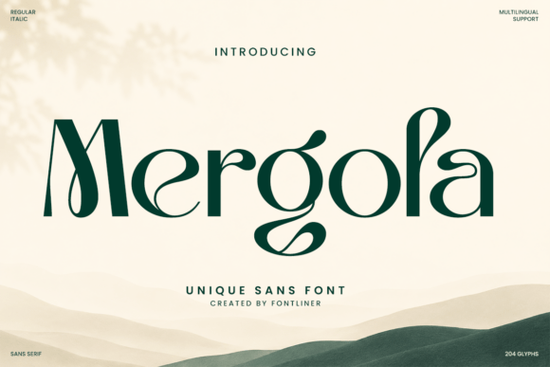
Finding the right typography for a premium brand often comes down to balancing simplicity with distinct character. Mergola Font is an elegant sans serif that offers exactly this balance. It blends modern minimalism with sophisticated artistic curves, giving your text a luxurious visual presence. Whether you are a print-on-demand seller creating boutique packaging or a designer working on high-end wedding stationery, this typeface provides a timeless and exclusive aesthetic.
What kind of projects work best with an elegant sans serif?
Minimalist fonts often struggle to stand out, but Mergola solves this with refined contrast and distinctive letterforms. This makes it highly effective for luxury fashion brands, beauty products, and editorial layouts. Small businesses building an upscale brand identity can use it for their main logo, while creative hobbyists might apply it to social media content or custom greeting cards.
The contemporary construction keeps the design looking fresh rather than outdated. If you are designing cosmetic packaging, the clean lines ensure that product details remain highly legible, even at smaller sizes. For magazine headers, the graceful alternates give art directors the flexibility to create custom, stylized headlines without needing to draw letters from scratch.
How does it fit into different branding styles?
While this typeface excels in luxury and high-end editorial contexts, different projects require entirely different typographic moods. Understanding when to use a minimalist font versus a more stylized option is crucial for designers. For instance, if you are designing for a casual burger joint, exploring fast food typefaces might give you the bold, readable impact you need for menus and signage.
Similarly, a playful children's apparel line would benefit from the bouncy, informal look of sweet wiggle lettering rather than strict minimalism. If your target audience leans toward alternative streetwear, a rougher, dream savage style could better communicate that edgy, urban vibe.
On the other end of the spectrum, technical or corporate designs sometimes call for the structured, geometric lines found in flanker typefaces. Finally, for cozy artisan bakery logos, you might want to pair your minimalist body text with a warm, honey crumble display font to add a handcrafted, inviting feel to the packaging.
How can you customize the letterforms for unique logos?
One of the most useful features for custom branding is the inclusion of graceful alternates. These alternate characters allow you to swap out standard letters for more artistic versions. Crafters making custom vinyl decals or wood signs can mix and match these glyphs to create a wordmark that looks completely custom-drawn.
To access these features, you will need design software that supports OpenType features, such as Adobe Illustrator, Photoshop, or even newer versions of Canva. By simply selecting a letter and opening the glyphs panel, you can cycle through the different artistic curves until your brand name looks exactly right.
What file formats do you need for crafting and web design?
When downloading typography for commercial or personal use, having the right file formats is essential. Most premium font packages include OTF, TTF, and WOFF files. OTF (OpenType) is generally the best choice for desktop design programs because it fully supports the special alternates and ligatures. TTF (TrueType) works perfectly for standard word processors and basic crafting software.
If you plan to use your new branding on a boutique website, the WOFF files are exactly what you need for web integration. Print-on-demand sellers uploading designs to platforms like Shopify or Etsy will find that standard TTF files install easily on their computers, allowing them to create mockups and product descriptions with consistent branding.
A quick checklist for your next typography project
Before you finalize your design files, run through these practical steps to ensure your layout looks professional and polished:
- Check the contrast: Make sure the elegant curves of your main font remain visible when scaled down for business cards or mobile screens.
- Pair with a simple body font: Let the artistic sans serif shine in the headlines, and use a basic, highly legible typeface for your longer paragraphs.
- Test the alternates: Try out different character variations for the first and last letters of your brand name to frame the word nicely.
- Mind the tracking: Minimalist luxury fonts often look best with slightly increased letter spacing in all-caps settings.
- Export in multiple formats: Save your final logos in vector formats like SVG or EPS so they stay crisp for any print-on-demand product.
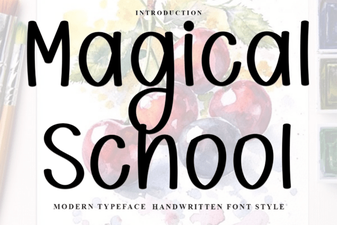 Magical School Font Design Ideas for Creators
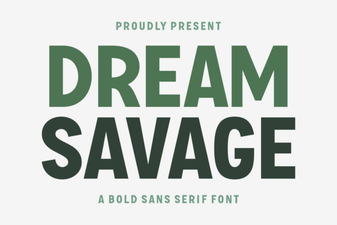 Dream Savage Font: Creative Uses for Your Design Projects
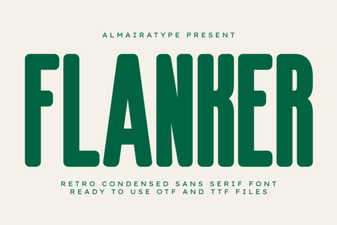 Explore Typography Projects with Flanker Font
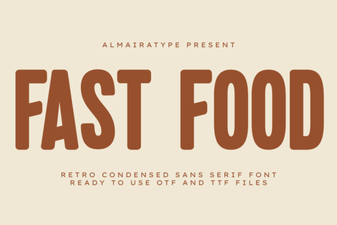 Fresh Font Ideas for Fast Food Branding
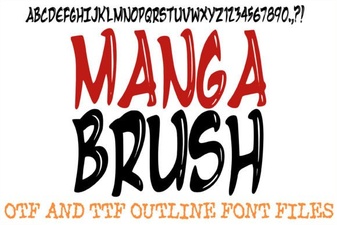 Drawing Fonts for Creative Digital Comics
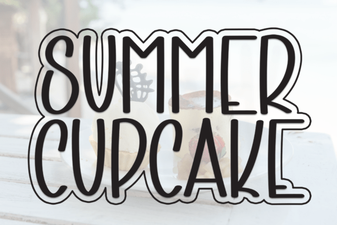 Sweet Summer Cupcake Font Designs & Projects