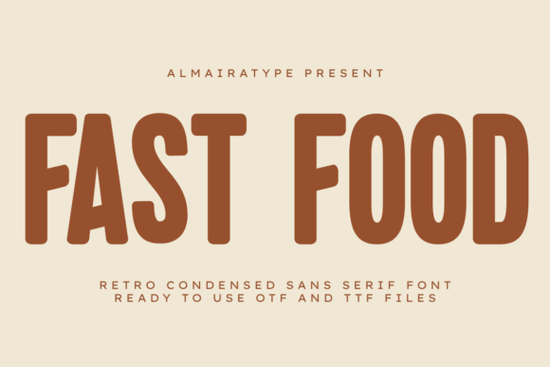
Typography plays a massive role in how customers perceive a brand, especially in the food and apparel industries. If you are designing merchandise or building a vintage-inspired identity, the Fast Food Font offers a practical solution. It is a bold, retro condensed sans serif typeface that brings 70s nostalgia into modern commercial projects. Because of its robust and compressed structure, it takes up less horizontal space while remaining highly legible, making it perfect for custom t-shirts, product packaging, and social media graphics.
How does this typography fit into modern print-on-demand?
Print-on-demand sellers rely heavily on bold, eye-catching text to stop scrollers in their tracks. A condensed style allows you to use larger text sizes on standard merchandise like tote bags and hoodies without running off the edge of the printable area. The friendly, rounded geometric contours of this specific typeface give it an inviting warmth that appeals to a wide audience. For sellers who want to test different bold display styles alongside this one, checking out another strong display alternative like this flanker option can help build a diverse product catalog.
Will the letters cut cleanly on Cricut and Silhouette?
Crafters and custom apparel makers need vector files that do not cause headaches during the weeding process. This typeface features ultra-clean vector outlines, meaning there are no stray anchor points or jagged edges to slow down your production. Whether you are cutting adhesive vinyl for personalized mugs or heat transfer vinyl for DIY craft projects, the letters will weed smoothly. When you need a simpler companion typeface for smaller details on your vinyl projects, a clean pairing like this baner style works beautifully to ensure tiny text remains readable after cutting.
What types of branding projects work best with a retro sans serif?
Food brand identities and trendy restaurant lines are the most obvious choices, given the nostalgic aesthetic. The compressed alignment looks fantastic on burger joint menus, food truck signage, and artisanal snack packaging. Designers often compare the Fast Food Font to classic mid-century typefaces due to its lack of extending stroke features, which keeps lines clean and modern.
However, this vintage warmth is not limited to the culinary world. It works exceptionally well for independent clothing brands aiming for a classic streetwear look. If your bakery or cafe needs something with a slightly sweeter, baked-goods vibe, you might also consider this honey crumble layout. On the other hand, pairing your main retro text with a highly geometric option like this mergola design can create a striking, contemporary contrast for subheadings and menu descriptions. Designers looking for a slightly rougher, more textured vintage feel might want to compare it with this dream savage alternative to see which better fits their specific mood board.
How should you prepare your files for the best results?
Getting the most out of any bold typeface requires a few standard technical steps before sending your design to print or cut. Taking the time to format your canvas properly will save you from alignment issues later.
- Convert text to outlines: Before sending your file to a commercial printer or opening it in cutting software, always convert your text to paths. This ensures the exact shape of the letters is preserved, even if the recipient does not have the font installed.
- Adjust letter spacing: While the compressed structural alignment is naturally tight, you may need to manually adjust the kerning for specific letter combinations, especially when working with all-caps logos.
- Choose high-contrast colors: To maximize the high-impact aesthetic, pair the thick letterforms with bright, contrasting background colors typical of 70s commercial design, such as mustard yellow, burnt orange, or cream.
- Test a small cut first: If you are using a digital vinyl plotter, cut a single word at your intended size to verify that the interior spaces of letters like 'O' and 'A' do not close up during the weeding process.
By following these basic formatting steps, your designs will look sharp, professional, and ready for any commercial application.
Get Started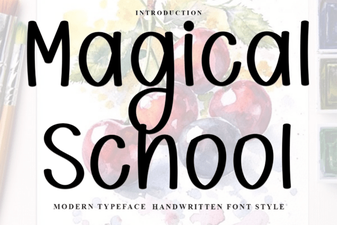 Magical School Font Design Ideas for Creators
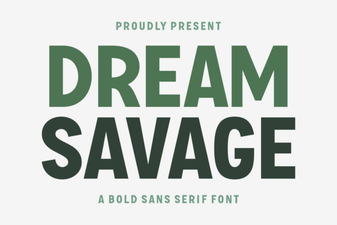 Dream Savage Font: Creative Uses for Your Design Projects
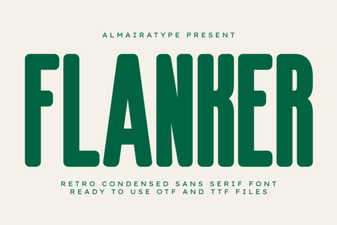 Explore Typography Projects with Flanker Font
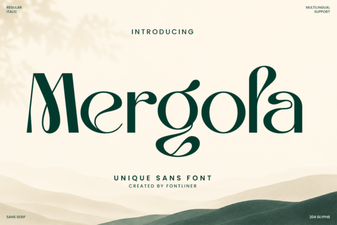 Mergola Font: Creative Design & Typography Projects
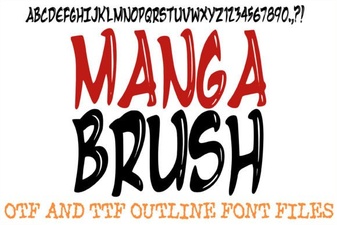 Drawing Fonts for Creative Digital Comics
 Sweet Summer Cupcake Font Designs & Projects