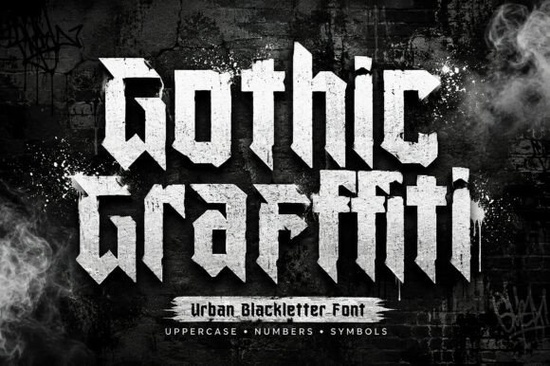
Designing for urban streetwear or alternative music scenes requires typography that demands attention. If you want to blend old-world medieval calligraphy with modern spray-paint aesthetics, the Gothic Graffiti Font offers exactly that mix. It features sharp angles and aggressive shapes that give off a rebellious attitude, making it a solid choice for graphic designers and crafters who need a striking visual centerpiece.
What kind of projects work best with this urban blackletter style?
Because this typeface fuses classic letterforms with raw street-art energy, it thrives in environments where you need high contrast and immediate impact. You will often see this specific aesthetic used for a variety of bold visual statements:
- Music posters and album covers: The heavy, jagged shapes fit perfectly with hip-hop, metal, or underground electronic music events.
- Streetwear branding: Apparel companies can use the thick letters across the chest of a hoodie or the back of a graphic tee to create an edgy fashion label.
- Tattoo-inspired designs: The sharp lines mimic traditional tattoo lettering, making it highly useful for flash art prints or shop logos.
- Gaming graphics: Streamers and esports teams looking for a memorable identity will find the heavy weight highly readable even at smaller sizes on Twitch or YouTube overlays.
When you are building an underground event poster or a social media campaign, choosing typography that matches your theme is crucial. Sometimes, finding the right fit means browsing through various medieval and street-style typefaces to see what matches your specific vision before committing to a final layout.
How can print-on-demand sellers apply this typeface?
For small businesses and print-on-demand creators, readability and scaling matter just as much as the visual vibe. Since this display font has thick strokes, it prints exceptionally well on physical merchandise. If you are designing coffee mugs, tote bags, or die-cut stickers, stick to one or two words. A long paragraph will become unreadable, but a short, punchy phrase will stand out from across a room.
You can also layer this font over distressed textures or grunge backgrounds. The sharp edges of the letters contrast nicely with rough, vintage paper effects. Try placing the text in white against a dark, moody background to emphasize the raw street-art influence. Halftone patterns and spray paint splatters also make excellent background elements that support the urban theme without distracting from the main message.
Which color palettes complement this aggressive lettering?
The mood of your design shifts dramatically depending on the colors you choose to apply to the font. For a classic underground look, stick to a strict monochrome palette of black and white. This guarantees maximum contrast and readability, which is essential for merchandise that needs to catch the eye quickly.
If you want to lean into the modern graffiti culture aspect, try high-visibility neon accents. Pairing a deep black background with electric green, hot pink, or bright yellow text creates an eye-catching glow effect. Remember to add a subtle drop shadow behind the letters to separate them from busy photographic backgrounds.
What are the best ways to pair it with other fonts?
Using a highly stylized display font means your secondary text needs to be simple. Because the main typeface carries so much personality, pairing it with another decorative font will clutter your design and frustrate the reader.
Instead, try these reliable combinations:
- Use a clean, geometric sans-serif for subheadings and body text to provide a neutral balance.
- Stick to all-caps for short taglines to match the blocky feel of the primary letters.
- Keep generous letter spacing in your supporting text to give the heavy display font room to breathe on the page.
How do you ensure the final design translates well to print?
Before sending your artwork to a commercial printer or uploading it to a fulfillment service, you need to check the fine details. Display fonts with sharp points can sometimes look fragile when printed on textured materials like canvas or raw cotton.
To prevent this, outline your text in your vector software before exporting. This ensures the sharp edges stay intact and do not blur during the printing process. Always request a physical sample if you are launching a new clothing line, as screen colors often differ from the final ink on fabric.
Before you finalize your next design project, run through this quick practical checklist:
- Check the contrast: Does the heavy lettering stand out clearly against your chosen background color?
- Limit your word count: Are you using the display font only for titles or short phrases?
- Review the scale: If you shrink the design down, do the sharp angles remain distinct on a mobile screen?
- Test the merchandise mock-up: Have you placed the design on a t-shirt or poster template to verify the overall physical layout?
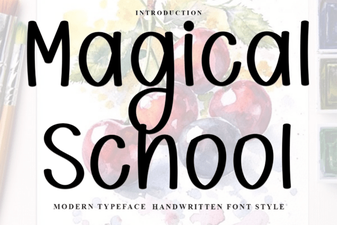 Magical School Font Design Ideas for Creators
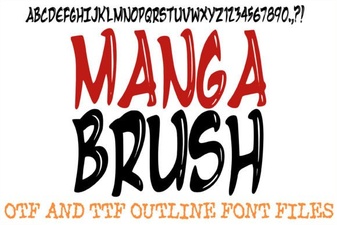 Drawing Fonts for Creative Digital Comics
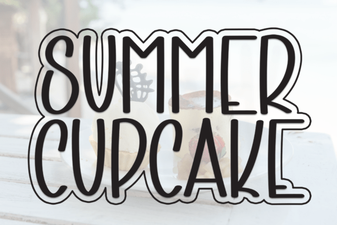 Sweet Summer Cupcake Font Designs & Projects
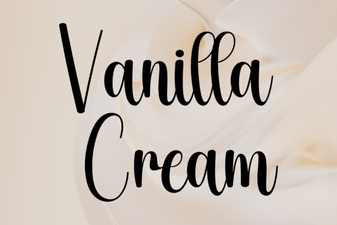 Vanilla Cream Fonts for Modern Web Design
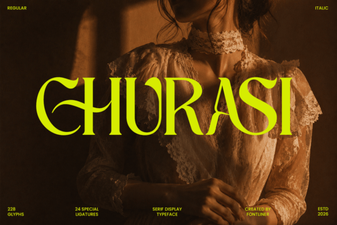 Churasi Font for Creative Typography Projects
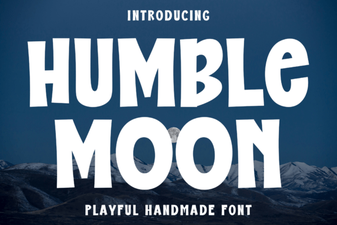 Humble Moon Font: a Minimalist Typography Tool