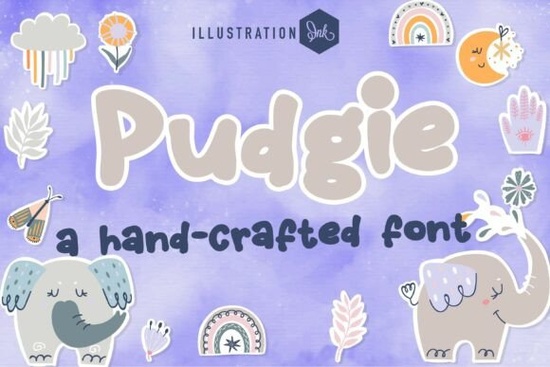
Finding the right typography for children's apparel or boutique packaging often comes down to balancing playfulness with readability. If you need a typeface that feels like a warm hug, the Pudgie Font delivers exactly that. This ultra-thick display typeface features extra-chubby bubble uppercase characters with smooth, pillowed edges. It gives designers and crafters a gentle, welcoming cadence that fits perfectly into cozy bohemian baby nurseries and trendy artisanal merchandise lines.
What makes this chubby typeface stand out for branding?
When creating visual identities for small businesses, the typography sets the immediate tone. This specific typeface uses weighted geometric balances to keep the letters looking structured despite their rounded, soft appearance. The absence of sharp corners makes it highly approachable. For independent children's apparel labels or handmade ceramic branding, this friendly aesthetic builds instant trust and warmth with the customer. It reads clearly from a distance, which is a crucial factor for retail packaging and social media graphics where quick recognition matters.
Which projects work best with soft bubble letters?
Because of its distinct shape, this typeface shines in niches that cater to younger audiences or artisanal markets. Print-on-demand sellers often use it for custom planner sticker packs, especially when combined with soft line-art illustrations of elephants, rainbows, and crescent moons.
- Boutique pastry shops: Use it on bakery boxes or coffee cups to emphasize a handmade, comforting vibe.
- Children's clothing: The bold, rounded letters print beautifully on toddler t-shirts and fabric labels.
- Planner accessories: It provides excellent readability for custom vinyl sticker packs aimed at organization enthusiasts.
- Nursery decor: The gentle curves complement watercolor backgrounds and bohemian wall art.
How do you pair ultra-thick display fonts with other styles?
Pairing heavy, rounded letters requires choosing secondary typefaces that provide visual contrast without competing for attention. If your primary text uses these thick bubble characters, your supporting text should be simpler. For instance, if you want to maintain a sweet, youthful theme across a product line, you might look at a playful bakery-inspired typeface for your subheadings. Alternatively, introducing an energetic, hand-drawn element like a dynamic comic brush style can add a sense of motion to your layouts.
Sometimes, a project calls for contrasting moods. A designer working on a celestial nightlight might combine these soft letters with the delicate serifs found in a moody nighttime display typeface. On the other hand, if you are designing for a quirky holiday market, mixing this chubby font with a whimsical woodland character style creates a highly thematic, cohesive sticker sheet. Even for sports-themed kids' apparel, pairing it with a bold classic varsity lettering style can give a youth league logo a softer, more inclusive edge.
What are the technical requirements for crafters and print-on-demand sellers?
Before sending your design to a cutting machine like a Cricut or Silhouette, you need to consider the thickness of the letterforms. The extra-chubby nature of these characters means they cut very cleanly in adhesive vinyl and heat transfer materials. There are no fragile, thin serifs that might tear during the weeding process. Most design platforms accept standard OTF and TTF files, but having an SVG version is incredibly helpful for web-based design tools. When setting up your file, ensure you convert your text to outlines or paths. This guarantees that the geometric balance remains intact regardless of the software used to print the final merchandise.
How can you ensure your designs remain legible?
While thick bubble letters are eye-catching, they can become difficult to read if squished together. Always pay attention to the kerning, or the space between individual characters. Give each uppercase letter enough room to breathe. Because the font is highly stylized, it works best for short phrases, single words, or initials rather than long paragraphs. Placing the text against a dreamlike lavender watercolor backdrop helps the heavy black or white letterforms stand out beautifully.
Next steps for your next design project
Ready to start crafting? Follow this quick checklist before finalizing your artwork:
- Check your spelling carefully before converting the text to outlines, as editing becomes impossible afterward.
- Test your color contrast by placing the thick letters against a light background to ensure they pop.
- Do a test cut on scrap vinyl to verify that the pillowed edges weed smoothly on your specific machine.
- Review your commercial licensing agreement to confirm you have the right permissions for selling physical products.
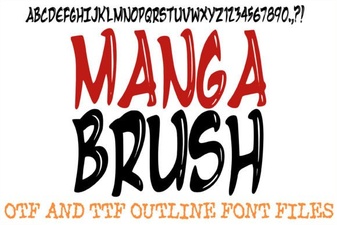 Drawing Fonts for Creative Digital Comics
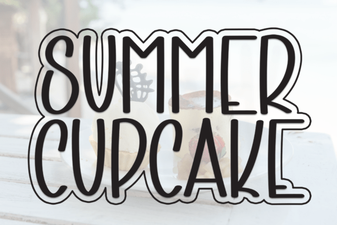 Sweet Summer Cupcake Font Designs & Projects
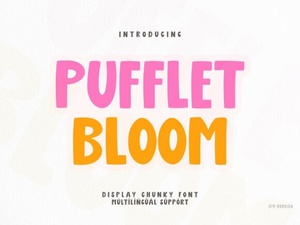 Creative Projects with Pufflet Bloom Font
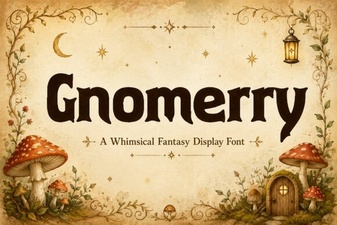 Gnomerry Font for Creative Web Projects
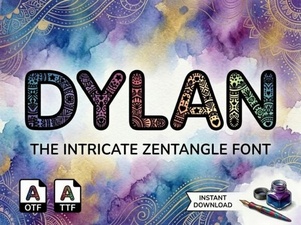 Explore Creative Design with Dylan Font
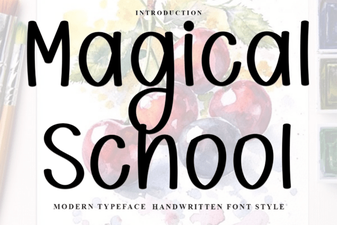 Magical School Font Design Ideas for Creators