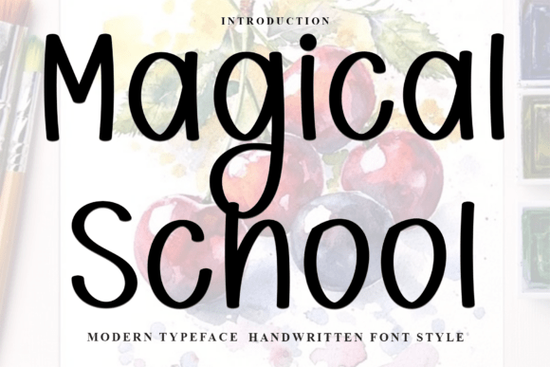
Finding the right typography for a new project often means balancing readability with a bit of personality. If you are working on school-themed merchandise, playful branding, or kids' apparel, the Magical School Font offers a soft, unique touch that catches the eye without being overwhelming. Designed as a sans serif with distinctive strokes, it gives your text a special character while keeping the letters clear and easy to read. Whether you are a small business owner creating custom t-shirts or a hobbyist making scrapbook layouts, this typeface fits right into a variety of creative workflows.
What makes this sans serif stand out for crafters and POD sellers?
When you run a print-on-demand shop or a local crafting business, legibility is just as important as style. This typeface provides a clean foundation but adds subtle curves and unique stroke variations that make it feel custom. It includes a wide range of characters, which means you can type out longer phrases, quotes, or names without running into missing glyphs or awkward spacing issues.
For crafters using cutting machines like Cricut or Silhouette, the smooth lines and lack of overly thin serifs mean the vinyl weeds cleanly. Small business owners will appreciate how it scales well, looking just as good on a tiny clothing tag as it does on a large storefront banner. The soft edges prevent the ink from bleeding on cheaper paper stocks, making it a reliable choice for everyday printing.
Which projects work best with this typography?
Because of its friendly and approachable vibe, this font is highly versatile. Here are a few ways creators are using it right now:
- Apparel and Merchandise: It looks fantastic on kids' t-shirts, tote bags, and hoodies. If you ever need to switch gears and design for a tougher demographic, you can always pivot to bolder, more aggressive lettering styles for your streetwear lines.
- Bakery and Cafe Branding: The soft strokes make it ideal for menus and storefront signs. It pairs beautifully with warm, bakery-inspired typefaces when you need a secondary font for pricing or descriptions.
- Children's Books and Crafts: The clear letterforms are easy for early readers to recognize. For projects aimed at toddlers, you might want to mix it with playful, bouncy lettering to add extra energy to the page.
- Food and Beverage Packaging: It works well on snack bags and drink labels. If your client specifically wants a vintage diner vibe instead, checking out retro diner and restaurant styles might be a better fit for that specific brief.
- Tech and Modern Startups: While it has a soft touch, it remains highly legible. For strictly corporate projects, however, you might prefer clean, modern geometric options to maintain a more formal tone.
How do you install and use it in design software?
Once you download the files, installing them on your computer is straightforward. On Windows, right-click the font file and select install. On a Mac, double-click the file and hit the install button in the preview window. After installation, it will automatically populate in your design software.
It works seamlessly in Adobe Illustrator, Photoshop, Canva, and specialized crafting programs like Cricut Design Space. Tip for Cricut users: Always weld your letters together before cutting if you are using the font in a continuous layout, though this specific sans serif usually cuts perfectly as individual letters without needing extra modifications.
What should you check before finalizing your design?
Before you send your design to print or hit the cut button on your machine, run through this quick checklist to ensure your typography looks its best:
- Check the kerning manually, especially around capital letters placed directly next to lowercase ones.
- Test print your design on standard paper at actual size to verify readability from a normal viewing distance.
- Ensure your color contrast is high enough, particularly if you are placing the text over a soft pastel background.
- Outline your text in vector software before sending the final file to a commercial printer to prevent font substitution errors on their end.
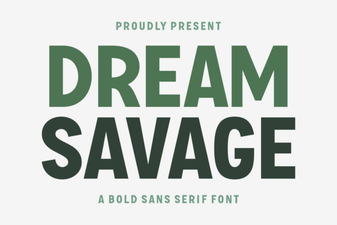 Dream Savage Font: Creative Uses for Your Design Projects
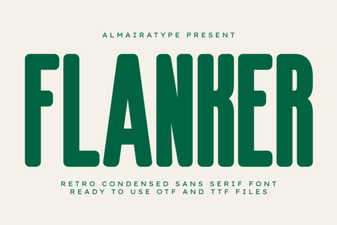 Explore Typography Projects with Flanker Font
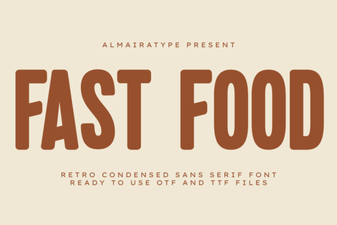 Fresh Font Ideas for Fast Food Branding
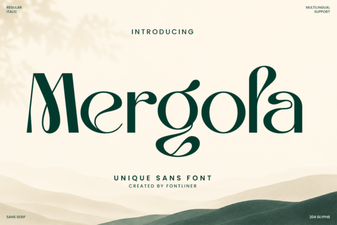 Mergola Font: Creative Design & Typography Projects
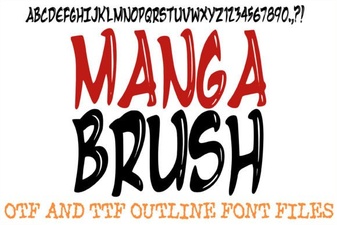 Drawing Fonts for Creative Digital Comics
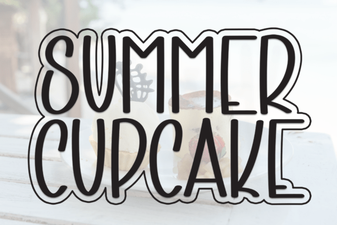 Sweet Summer Cupcake Font Designs & Projects