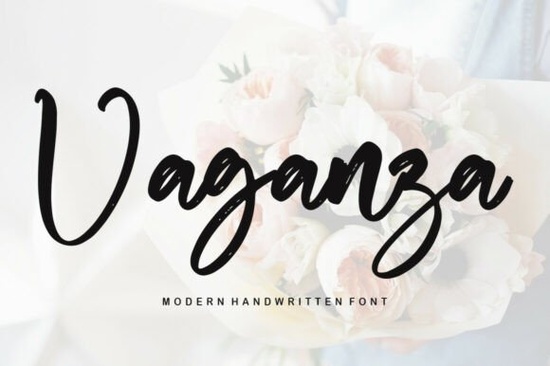
Choosing the right typography for a craft or commercial project sets the tone immediately. If you are designing wedding invitations, birthday quotes, or custom holiday merchandise, the Vaganza Font offers a delicate, handwritten aesthetic that feels both personal and stylish. Crafters and small business owners often look for a script that reads clearly while maintaining a cute, approachable vibe. Because of its clean letterforms, this typeface works just as well on a large storefront banner as it does on a small custom sticker.
Handwritten styles are highly sought after in the print-on-demand space. Customers tend to gravitate toward items that feel bespoke, and a flowing script mimics traditional calligraphy without the time investment. Whether you are creating overlays for social media images or cutting vinyl decals for tumblers, having a reliable, versatile font saves you hours of design time.
What types of projects work best with a delicate script?
This kind of typography thrives in projects where readability and charm are equally important. Small businesses selling personalized goods find that softer fonts resonate well with buyers looking for gifts. You can apply this specific lettering style to several creative endeavors:
- Wedding stationery: Use it for the names of the couple on invitations, seating charts, and welcome signs.
- Holiday merchandise: The flowing lines pair nicely with Christmas graphics for seasonal greeting cards and festive apparel.
- Custom stickers: Short quotes or single-word affirmations print beautifully, especially when cut with a Cricut or Silhouette machine.
- Social media graphics: Add a touch of elegance to Instagram quotes or Pinterest pins by placing the text over a muted photo background.
How do you pair this style with other typefaces?
A common challenge for hobbyists and designers is avoiding a cluttered look when using multiple fonts. A good rule of thumb is to balance a highly decorative script with a simple, clean sans-serif. For instance, if you are designing a birthday t-shirt, you might use the flowing cursive for the celebrant's name and a standard block letter for the date.
If you want to experiment with mixing different scripts, try alternating between bold and lightweight styles. You could use a bolder option like a thick marker-style lettering for your main headline, and then add a softer, thin accent underneath it. When creating a brand identity, some creators like to combine a highly structured geometric font with an easygoing everyday signature style to make the logo feel grounded yet friendly.
Texture also plays a role in font pairing. If your primary text has a very smooth, refined edge, contrasting it with something slightly rougher can add visual interest. Designers often test out an organic, hand-drawn brush typeface alongside cleaner cursive options to see how the strokes interact. Additionally, if your project requires a highly sophisticated, elegant mood, mixing a standard serif body copy with a graceful, high-contrast calligraphy creates a luxurious finish. And when you just need a reliable, versatile cursive to anchor your design, keeping this specific delicate handwritten choice in your rotation ensures your layouts always feel approachable.
What software and cutting machines are compatible?
Standard font files offer universal compatibility across most design platforms. You do not need expensive professional software to get good results. Free browser-based tools like Canva work perfectly for digital printables. Simply upload the font file to your brand kit, and you can start typing out quotes and product labels immediately.
For crafters working with physical materials, vinyl cutting machines are essential. When preparing a file for a Cricut Maker or Silhouette Cameo, ensure that you weld the letters together if the software does not do it automatically. Welding connects the cursive strokes into a single continuous shape, preventing the machine from cutting through the delicate loops of the letters.
How can you ensure the text remains readable on products?
Readability is crucial, especially on merchandise that people will view from a distance or on small mobile screens. Thin, delicate lines can sometimes disappear if the background is too busy. To fix this, place your text on a solid color block or use a subtle drop shadow to separate the letters from the background image.
Size matters just as much as contrast. While a flowing script looks beautiful on a large tote bag, shrinking it down for a standard business card might make the thin connections between letters hard to read. Always print a test page or view your digital mockup at actual size before finalizing an order. If the loops become illegible, switch to a simpler font for that specific application or increase the tracking slightly to give the characters room to breathe.
Final setup steps for your next design
Before you launch a new collection of greeting cards or finalize a client's wedding invitation, run through a quick quality check to guarantee the best outcome:
- Check your licensing: Confirm that your download includes the correct commercial rights for physical product sales or digital distribution.
- Test the kerning: Review the spacing between capital and lowercase letters to ensure no awkward gaps break the flow of the word.
- Outline your text: If sending a file to a professional printer, convert the text to outlines or paths so the design remains intact even if the printer does not have the font installed.
- Do a physical test cut: When using a vinyl plotter, cut a small sample on scrap material to verify that the thin strokes weed easily without tearing.
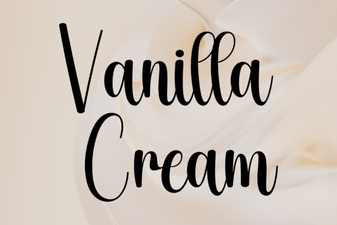 Vanilla Cream Fonts for Modern Web Design
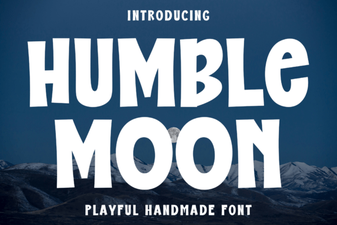 Humble Moon Font: a Minimalist Typography Tool
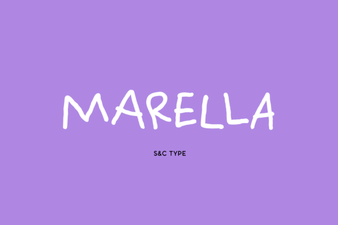 Marella Font: Creative Uses and Design Ideas
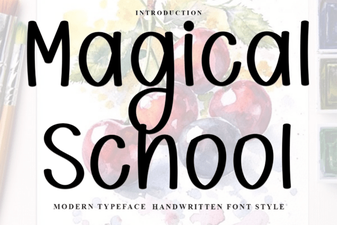 Magical School Font Design Ideas for Creators
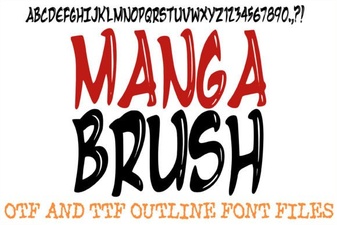 Drawing Fonts for Creative Digital Comics
 Sweet Summer Cupcake Font Designs & Projects